

When people think about air pollution, they usually picture smog or traffic. But the truth is, the air inside your home can sometimes be more polluted than the air outside, even though it doesn’t appear so. Dust, pet dander, cooking fumes, cleaning chemicals, and even moisture all affect indoor air quality.
The good news? There are several simple steps you can take on your own to make the air in your home cleaner and healthier. Here’s where to start.
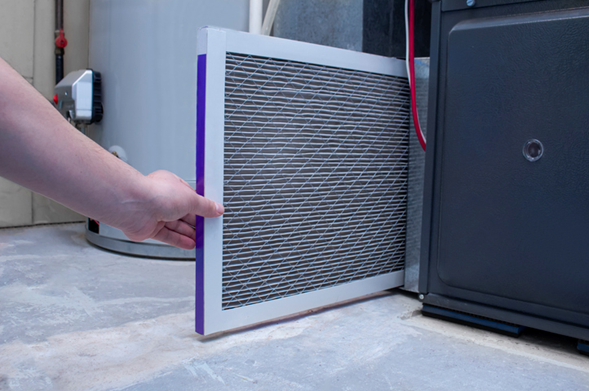
Change Your HVAC Filter Regularly
Your HVAC filter is designed to trap dust, pollen, pet hair, and other airborne particles before they circulate through your home. But once the filter becomes clogged, it can’t do its job effectively.
In most homes, the filter should be cleaned or replaced every 6-8 weeks. A clean filter not only improves air quality but also helps your heating and cooling system run more efficiently.
Vacuum and Dust Often
Dust builds up faster than most people realize. Carpets, rugs, furniture, and even curtains collect particles that get released back into the air whenever they’re disturbed.
Use a vacuum with a HEPA filter if possible, and don’t forget to dust surfaces with a damp cloth to prevent particles from simply being pushed back into the air.
Control Humidity Levels
Moisture plays a key role in indoor air quality. Too much humidity can lead to mold growth and musty odors. Too little humidity can cause dry skin, irritated sinuses, and increased static.
Aim to keep indoor humidity between 30% and 50%. Using a dehumidifier in damp areas like basements — or a humidifier during dry winter months — can make a noticeable difference in both comfort and air quality.
Use Kitchen and Bathroom Exhaust Fans
Cooking releases grease particles, smoke, and odors into the air. Bathrooms generate moisture that can linger long after showers are finished.
Turn on exhaust fans during and after cooking or bathing to remove excess moisture and airborne contaminants. It’s a simple habit that helps prevent mold and improves overall air freshness.
Keep Vents and Registers Clear
Furniture, rugs, and curtains can block airflow from vents and registers. When airflow is restricted, air doesn’t circulate properly, which can allow dust and pollutants to concentrate in certain areas.
Make sure vents remain unobstructed so your HVAC system can distribute air evenly throughout the home.
Be Mindful of Household Products
Since some cleaning supplies, candles, and air fresheners release chemicals into the air, you’re better off purchasing low-VOC (volatile organic compound) products when possible and try not to overuse scented sprays. Sometimes “fresh” smells come at the expense of air quality.
Improving indoor air quality doesn’t always require major upgrades. Small, consistent habits can go a long way toward creating a healthier home environment.
If you’re still concerned about the air in your home, professional solutions such as air purifiers, whole-home humidifiers, or ventilation improvements may be worth exploring. Contact Blau Sudden Service today. One of our air quality pros will be happy to recommend what’s right for your home.